Living With Social Anxiety
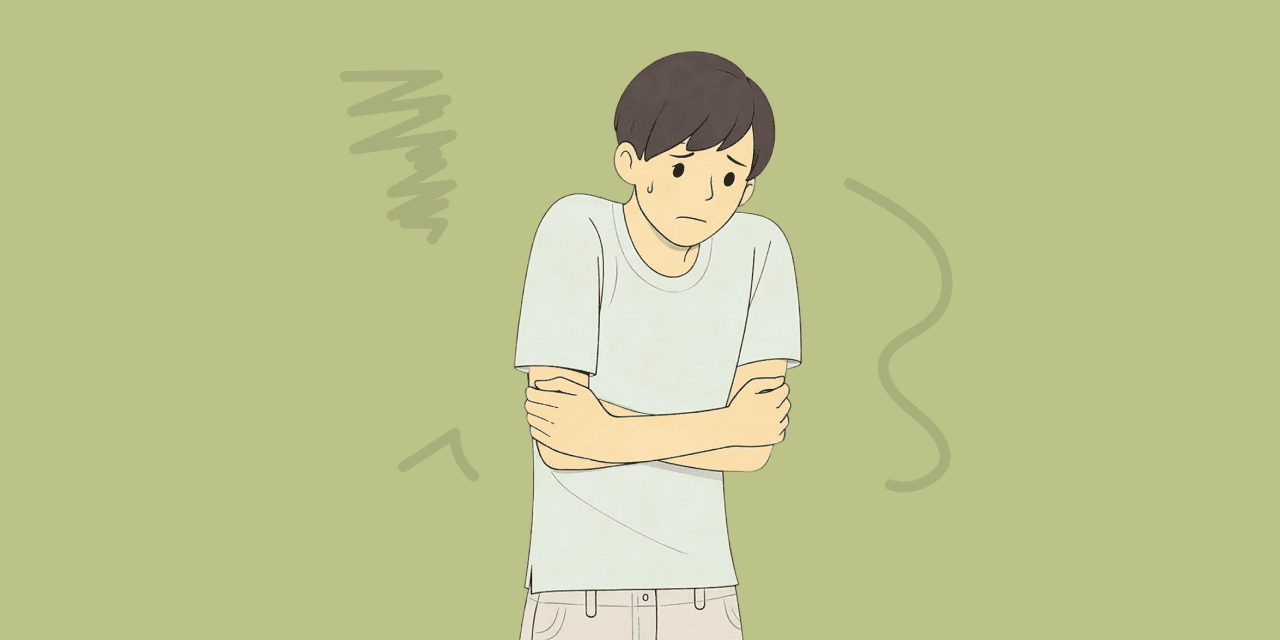
Mental Health
8 min read
Dec 27, 2025
A practical guide that explains social anxiety, what may be behind it, and what everyday support can look like when being around people starts feeling hard.
Post Structure / Key Points
🤲 You’re Not Alone
What you’re going through can be awkward, draining, and hard to deal with, even when it seems small to other people. Over 10% of people go through something like this in their lives. Together, we will look at what may be behind social anxiety and which daily supports and treatment options people often use.
💡 What Social Anxiety Really Are
Social anxiety is more than being shy once in a while or feeling a little nervous before something important. It’s when being around people, speaking up, or being noticed brings strong fear, worry, or self-conscious thoughts that keep showing up again and again. This can make normal things like talking, asking questions, eating around others, or going places feel harder, and over time it can start affecting more and more parts of daily life.
Common signs of social anxiety:
🔻 Fear of being judged
🔻 Avoiding social situations
🔻 Blushing or sweating
🔻 Shaky voice
🔻 Racing heart
🔻 Overthinking conversations
🔻 Trouble speaking up
🔻 Feeling watched
Based on commonly reported experiences and general health discussions.
🧠 Why It Happens
Social anxiety can start for different reasons depending on the person and what is going on in life. Those reasons often show up through everyday things people can recognize, like stress, past experiences, low confidence, routine changes, or fear of being judged. This list can help you see which reasons feel close to what has been going on for you.
What can cause social anxiety:
😓 1. Past Embarrassing Moments
🔻
A painful memory can teach your mind to expect the same shame again, even in small social situations.
🌧️
One bad presentation from years ago still comes back when it is your turn to speak in a group.
🙌
Remind yourself what is different now before social moments, because that can stop one old memory from taking over the whole situation.
🧍 2. Fear Of Judgment
🔻
Worrying too much about what other people think can make every look, pause, or reaction feel bigger than it is.
🌧️
A short silence after you speak can feel like proof that you said something wrong.
🙌
Try focusing on the topic instead of people’s faces, because it can give your mind one clear thing to stay with.
📉 3. Low Self-Confidence
🔻
When you already doubt yourself, social moments can start feeling like tests you are about to fail.
🌧️
Before meeting people, your mind keeps telling you that you will sound awkward or boring.
🙌
Write down one thing you handle well before going out, because it can make your mind less stuck on your weak spots.
🧠 4. Overthinking Everything
🔻
Thinking too much during social moments can make simple conversations feel slow, tense, and hard to follow.
🌧️
While someone is talking, you are busy checking your own face, words, and body instead of listening.
🙌
Pick one job like listening closely or asking one question, because it can stop your attention from splitting in too many directions.
👀 5. Feeling Too Visible
🔻
Being noticed can feel unsafe when your body acts like attention means danger or embarrassment.
🌧️
Walking into a room makes you feel like everyone is looking at you, even when most people are busy with themselves.
🙌
Get there a little early when you can, because settling in first may make the room feel less intense.
💬 6. Hard Past Social Experiences
🔻
Bullying, teasing, harsh criticism, or being left out can make later social situations feel risky.
🌧️
Even friendly people can feel hard to trust after years of feeling laughed at or pushed aside.
🙌
Start with one safer person or one shorter interaction, because small good experiences can begin to loosen that old fear.
😴 7. Poor Sleep
🔻
Lack of sleep can make your body more tense and your thoughts more negative, which can make social fear stronger.
🌧️
After a bad night, even sending a message or answering someone can feel like too much.
🙌
Protect your sleep the night before harder days, because better rest can make your reactions less sharp.
📉 8. Low Confidence
🔻
When confidence is already low, being around people can feel like one more place where something might go wrong.
🌧️
A simple conversation starts, and your mind is already waiting for proof that you are doing it badly.
🙌
Try keeping your answer short and simple, that may help if saying anything at all already feels hard.
🍷 9. Alcohol Or Drug Use
🔻
Alcohol or drugs can change how social situations feel in the moment and make the next day feel worse.
🌧️
It seems easier to talk at first, then later you feel more shaky, more low, or more stuck on what happened.
🙌
Pay attention to how you feel the next day, noticing that pattern may help you see what is making things worse.
📅 10. Long Time Avoiding People
🔻
Going a long time without much social contact can make normal social moments feel bigger when they finally happen.
🌧️
Even a short chat feels hard because you feel out of practice and too aware of every little thing you say.
🙌
Start with one smaller social moment if you can, that may feel easier than pushing yourself into something big right away.
🌱 Lifehacks & Natural Solutions
Small daily habits can support social anxiety by making the day feel steadier and easier to handle. Done regularly, they can make everyday life feel more manageable when being around people starts feeling hard.
8 practical daily habits for social anxiety
🛏️ 1. Sleep routine
A regular sleep routine helps your body feel less worn out from the start of the day. Going to bed and getting up around the same time often leaves you with a little more patience and less tension. As this becomes more regular, you may feel calmer, more rested, and less thrown off by social moments.
📝 2. Short social notes
Writing down what happened in one social moment can make it easier to see it clearly instead of replaying it for hours. A few short notes can help you separate what really happened from what your worry added later. Over time, this can help you feel more sure about what is real and less pulled into overthinking.
🚶 3. Daily walk
A short walk can break up tension before it keeps building through the day. Even ten minutes outside can help when your body already feels too tight or too alert. Doing this regularly may help you feel more present and less stuck in your head before social situations.
🌬️ 4. Slower breathing
Slower breathing can help when your body starts speeding up around people. A few slower breaths with a longer exhale can give you something simple to do in the middle of the moment. With practice, this may help you feel less pulled into the first wave of fear.
📱 5. Less late scrolling
Cutting down late-night scrolling helps your mind slow down before bed. Long stretches on your phone can leave you more tired and more likely to compare yourself to other people the next day. This can help you spend less time winding yourself up at night and more time actually resting.
☀️ 6. Morning light
Morning light helps your body wake up at a more regular time and gives the day a steadier start. Sitting by a bright window or stepping outside early can make the morning feel less slow and heavy. As this becomes part of your routine, you may feel more awake and less tense from the start of the day.
💬 7. One small social step
One small social step can feel easier than pushing yourself into a big hard moment. Saying hi first, asking one short question, or staying a few minutes longer gives you something simple to practice. Over time, this can help social situations feel less huge and less impossible to face.
☕ 8. Less caffeine
Less caffeine can help when your body already feels shaky, tense, or too alert around people. Extra coffee or energy drinks can make it harder to tell what is social anxiety and what is just your body feeling wired. With less caffeine, you may find that social moments feel a little easier to get through.
🏥 When to Talk to a Doctor
Social anxiety is usually looked at by paying attention to symptoms, how long they have been going on, and how much they are affecting daily life. When these symptoms start getting harder to sort out on your own, speaking with a doctor can help explain what may be going on and what support may fit best.
Professional support may be helpful when:
🔻 Fear around people keeps affecting work, school, or normal plans
🔻 You avoid more and more social situations
🔻 Overthinking social moments takes up hours of the day
🔻 Sleep, routine, or confidence keeps getting worse
🔻 The problem feels too hard to handle alone
🩺 Primary Care Doctor
Many people start here because this doctor can help sort out whether social anxiety may be tied to stress, sleep, health changes, or something else, conversations often cover 🔸 Symptoms, 🔸 Daily Impact, 🔸 Sleep Problems, 🔸 Next Steps
🧠 Psychologist
Working with a psychologist often means looking at what sets the fear off and how it plays out in daily life, sessions may explore 🔸 Triggers, 🔸 Thought Patterns, 🔸 Fear Loops, 🔸 Coping Skills
💊 Psychiatrist
This professional focuses on anxiety from the medical side and may help when symptoms are strong, repeated, or hard to manage without added support, evaluation may include 🔸 Symptom Severity, 🔸 Medicine Options, 🔸 Sleep Patterns, 🔸 Follow-Up Needs
🗣️ Therapist
Support from a therapist usually involves regular conversations that help people work through social fear in a practical and steady way, discussions usually involve 🔸 Hard Moments, 🔸 Relationships, 🔸 Daily Stress, 🔸 Response Habits
😴 Sleep Specialist
You might meet with a sleep specialist when poor sleep seems tightly linked to anxiety or harder days around people, focus areas include 🔸 Sleep Timing, 🔸 Night Waking, 🔸 Daytime Tiredness, 🔸 Bedtime Habits
🧬 Endocrinologist
In practice, this doctor may help by checking whether hormone or body changes are adding to anxiety and making the picture harder to read, evaluation may include 🔸 Thyroid Function, 🔸 Hormone Levels, 🔸 Energy Changes, 🔸 Weight Changes

🧬 Types of Social Anxiety
Social anxiety can show up in different ways, and one type may feel more familiar to you than another. Looking through the common types can make it easier to put clearer words to what has been going on.
8 common types of social anxiety
👥 1. Group Social Anxiety
Some people feel the fear most in groups where there are several people to watch, answer, or react to. What often stands out is how hard it feels to relax when more than one person is around.
💬 2. Conversation Social Anxiety
A common type shows up most in one-on-one talking, especially when there is pressure to keep the conversation going. The hard part is often feeling too aware of every word, pause, or reply.
🎤 3. Performance Social Anxiety
This kind gets stronger when you have to speak, present, read out loud, or do something while other people are watching. Symptoms usually hit harder when there is pressure to do well in front of others.
🏫 4. School Or Work Social Anxiety
For some people, the fear is tied closely to meetings, class, group work, or being called on in front of others. Daily life may start feeling harder because normal responsibilities keep bringing the same stress back.
📱 5. Message And Reply Anxiety
A different kind shows up around texts, replies, posting, or waiting for how other people respond online. What often stands out is how long one short message can stay in your head after you send it.
🍽️ 6. Public Place Social Anxiety
Some people feel more anxious in places where they may be seen, noticed, or watched by strangers. The fear often gets stronger in restaurants, stores, waiting rooms, or other public spaces.
🤝 7. New People Social Anxiety
This type feels strongest around people you do not know yet or situations where you need to make a first impression. The main pattern is feeling much more tense before the social moment even begins.
🌫️ 8. Constant Background Social Anxiety
A quieter form can stay in the background most of the time without one big social moment standing out. What often stands out is feeling on edge around people in general, even during small normal interactions.
🧩 Treatment Approaches
🔹 Overall approach
Treatment for social anxiety is usually not just one thing. Care often works best as a mix of support that fits the person, what daily life has been like, and what has been making the fear harder to calm down. What helps one person may not be the same for someone else, so support often needs adjusting along the way.
🔹 Professional evaluation
Care often starts by looking at what the harder moments are really like and how long this has been going on. A provider may ask what social situations feel hardest, what has changed lately, how sleep has been, and how much normal life is being affected. The goal is to look at the full picture instead of guessing from one symptom on its own.
🔹 Common treatment components
Support may include therapy, regular check-ins, daily habit changes, and medicine when it fits the bigger picture. Different kinds of help often work better together because social anxiety can affect thoughts, body tension, sleep, and daily routine at the same time. The mix may change depending on what the person is dealing with and what actually helps over time.
🔹 Time, adjustment, and follow-up
Some people notice small changes within a few days, while others need a few weeks before things start feeling steadier. Progress is not always straight, and it is normal for support to need small changes along the way. Follow-up helps make sure the support still fits what is really happening day to day.
If symptoms feel severe, long-lasting, or overwhelming, speaking with a healthcare professional can help guide next steps and support an individualized plan.
🔁 Quick Recap
Social anxiety is more than being shy and can make normal moments with other people feel much harder than they need to. What usually helps next is noticing triggers, using steady daily support, and getting treatment when the fear keeps affecting normal life.
💬 FAQ
❓ How do I know if I have social anxiety?
Social anxiety usually means fear around people keeps showing up and starts affecting sleep, routine, work, school, or normal daily plans.
❓ What does social anxiety feel like day to day?
It often feels like fear of being judged, overthinking conversations, body tension, and wanting to avoid social situations even when you want connection.
❓ Is social anxiety the same as being shy?
No, shyness is usually milder, while social anxiety can affect confidence, routine, and how easily you get through normal social moments.
❓ Can social anxiety affect work or school?
Yes, it can make meetings, class, group work, speaking up, and everyday interactions feel much harder than they need to.
❓ Can poor sleep make social anxiety worse?
Yes, poor sleep can leave you more tense, more self-conscious, and less able to brush off awkward moments or body stress.
❓ Why do I replay conversations for hours?
That often happens when your mind is trying to check if you said something wrong, even when the moment was probably normal.
❓ Can social anxiety happen online too?
Yes, some people feel it around texting, posting, waiting for replies, or worrying how their words will be read by others.
❓ Can social anxiety get better?
Yes, many people improve with the right mix of support, daily habits, and treatment when the fear keeps affecting normal life.