Overthinking Explained Simply
Mental Health
8 min read
Dec 1, 2025
A practical guide that explains overthinking, what may be connected to it, and what everyday support can look like when thoughts keep taking up too much of the day.
Post Structure / Key Points
🤲 You’re Not Alone
What you’re going through can be tiring, frustrating, and hard to switch off, even when you cannot fully explain it. Over 10% of people go through something like this at different points in life. Together, we will look at what may be affecting overthinking and which daily supports and treatment options people often use.
💡 What Overthinking Really Is
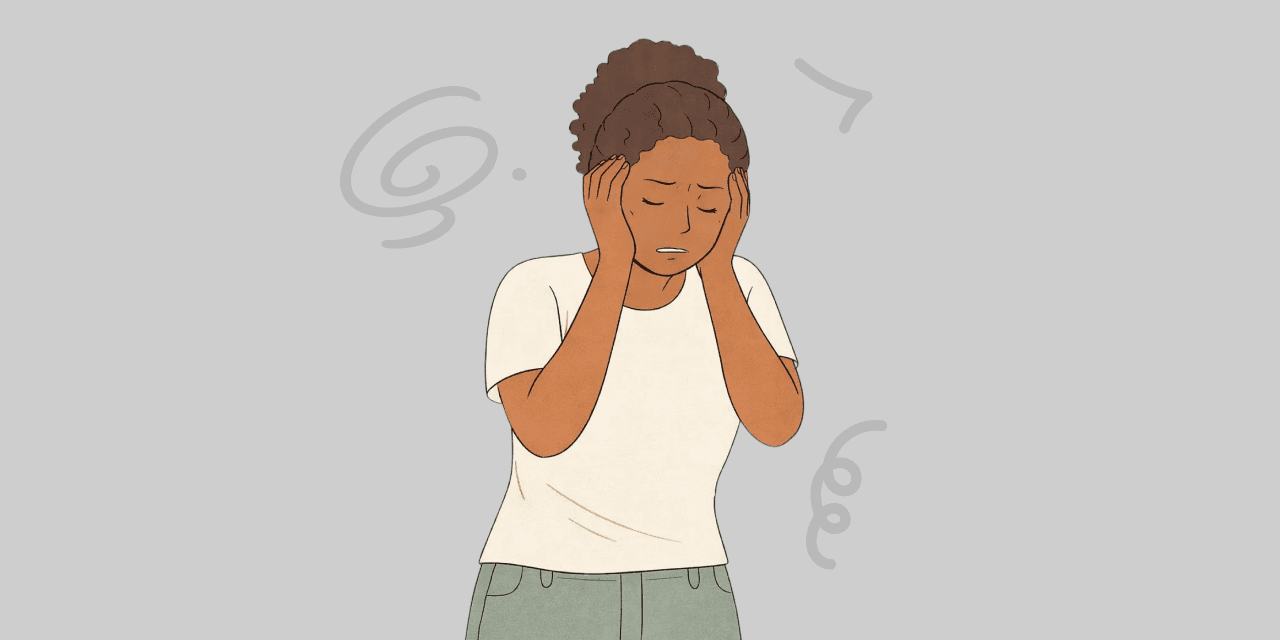
Overthinking is more than thinking carefully about something important. It’s when the same thoughts, worries, doubts, or what-ifs keep circling in your head longer than you want and become hard to switch off. It can make sleep, decisions, focus, and everyday peace of mind harder to hold onto and keep affecting the day over time.
Common signs of overthinking:
🔻 Racing thoughts
🔻 Replaying conversations
🔻 Constant worry
🔻 Trouble focusing
🔻 Hard time relaxing
🔻 Decision stress
🔻 Poor sleep
🔻 Mental fatigue
Based on commonly reported experiences and general health discussions.
🧠 Why It Happens
Overthinking can start for different reasons depending on the person and what is going on in life. Those reasons often show up through everyday things people can recognize, like stress, poor sleep, health worries, routine changes, or hard experiences. This list can help you see which reasons feel close to what has been going on for you.
What can cause overthinking:
😓 1. Long Stress
🔻
Ongoing stress can keep your mind in problem-solving mode even when the day is supposed to be slowing down.
🌧️
By evening, one small issue turns into five more things your mind wants to fix before you can relax.
🙌
Skip one thing this week that can wait, a little less pressure may help if your head already feels too full.
😴 2. Poor Sleep
🔻
Bad sleep can leave your mind more restless and much quicker to get stuck on the same thoughts.
🌧️
By morning, your head already feels busy, and simple things start feeling harder to think through clearly.
🙌
See if you can keep one sleep habit the same this week, even a small bit of routine may help your mind feel less crowded.
💭 3. Fear Of Getting It Wrong
🔻
Worrying about making the wrong choice can keep your mind turning the same decision over again and again.
🌧️
A simple message, plan, or small decision stays open in your head for hours because you keep looking for the perfect answer.
🙌
Try choosing between two simple options, making it smaller may help when your mind keeps dragging it out.
🩺 4. Health Worry
🔻
Paying too much attention to body symptoms can make small sensations feel bigger and harder to stop thinking about.
🌧️
One odd feeling shows up, and then your mind keeps checking it from different angles for the rest of the day.
🙌
Write down the one symptom that keeps pulling your attention back, that may help you feel less lost in it.
🔄 5. Replaying Social Moments
🔻
Going back over conversations in your head can make one small interaction feel much bigger than it was.
🌧️
After a normal talk, your mind keeps returning to one sentence, one look, or one reply and wondering if it meant something bad.
🙌
Write down the one part you keep replaying, that may help you stop going over the whole thing for hours.
📉 6. Burnout
🔻
Pushing through too much for too long can leave your mind tired in a way that makes it harder to stop thinking.
🌧️
Even when the day gets quieter, your head keeps going like it did not get the message that work is over.
🙌
Don’t make yourself do one thing this week that is not really needed, a little less pressure may help when you already feel worn out.
👤 7. Feeling Alone With It
🔻
When you keep everything in your head and do not say it out loud, thoughts can start growing larger than they really are.
🌧️
The same worry keeps going in circles because there is no outside voice helping you cut through it.
🙌
Text one person you feel safe with, even a short real conversation may help the worry feel less big.
🧠 8. Past Hard Experiences
🔻
A hard experience from the past can leave your mind trying to stay ahead of problems before they happen again.
🌧️
A small situation feels bigger than it should, and your thoughts keep scanning for what might go wrong next.
🙌
If you can, pause for a minute before doing anything else, that little break may help you slow the spiral down.
📱 9. Too Much Scrolling
🔻
Constant input from your phone can keep your mind full and make it harder to settle into one clear thought.
🌧️
You finish scrolling, but your head keeps jumping between worries, comparisons, and things you just saw online.
🙌
Try putting your phone away for one short part of the day, less input may help your head settle a bit.
📅 10. Big Life Changes
🔻
A move, breakup, job change, or another major shift can make your mind keep circling everything that feels uncertain.
🌧️
Even ordinary parts of the day start turning into mental questions because life no longer feels as steady as it did before.
🙌
Keep one small part of your old routine if you can, having one familiar thing may help your thoughts feel less scattered.
🌱 Lifehacks & Natural Solutions
Small daily habits can support overthinking by making the day feel steadier and easier to read. Done regularly, they can make everyday life feel more manageable when your thoughts keep looping in the background.
8 practical daily habits for overthinking:
📝 1. Thought notes
Writing thoughts down can stop them from spinning around only in your head. A few short lines on paper often make it easier to see what is repeating instead of carrying all of it at once. Over time, this can help you feel less overwhelmed by the same thoughts and more sure about what is actually bothering you.
🚶 2. Daily walk
A short walk can break up the kind of mental loop that gets stronger when you stay in the same place too long. Even ten minutes outside can change the feel of the day when your head has been running without a break. Doing this regularly may help you feel more present and less stuck in the same thoughts for hours.
🛏️ 3. Sleep routine
A regular sleep routine helps your mind start the day less tired and less busy. Going to bed and getting up around the same time often makes it easier to think more clearly instead of feeling mentally crowded from the start. As your sleep becomes more consistent, you may feel calmer, more rested, and better able to tell when your mind is starting to run too far.
📱 4. Less late scrolling
Cutting down late-night scrolling helps your mind slow down before bed. Long stretches on your phone often keep feeding your head more things to think about when you are already tired. This can help you spend less time feeding overthinking at night and more time actually winding down.
🍽️ 5. Steady meals
Regular meals help avoid extra tiredness and irritability that can make thoughts harder to manage. Long gaps without food often leave the body feeling off in ways that make your mind run even more. With steadier meals, you may find that small problems take up less space and feel easier to think about clearly.
☀️ 6. Morning light
Morning light helps the body wake up at a more regular time and gives the day a clearer start. Sitting by a bright window or stepping outside early can stop the morning from feeling slow and mentally foggy for too long. As this becomes part of your routine, you may feel more awake, more steady, and less likely to start the day with a crowded head.
⏱️ 7. Decision limits
Setting a small time limit for simple decisions can stop your mind from stretching them into something bigger than they are. Choosing within ten minutes or narrowing it down to two options makes small choices feel easier to finish. Over time, this can help you spend less energy going back and forth and more time moving on with the day.
🤝 8. Say It Out Loud
Saying the main thought out loud can make it feel more real and less endless than when it stays trapped in your head. One short conversation or even hearing yourself say it can change how big the problem feels. With this habit, you may find that worries feel less intense and take up less of your attention once they are no longer stuck only in your mind.
🏥 When to Talk to a Doctor
Overthinking is usually looked at by paying attention to symptoms, how long they have been going on, and how much they are affecting daily life. When these symptoms start getting harder to sort out on your own, speaking with a doctor can help explain what may be going on and what support may fit best.
Professional support may be helpful when:
🔻 Thoughts keep looping most days for weeks at a time
🔻 Sleep, routine, or focus keeps getting worse
🔻 Work or school feels much harder to manage
🔻 Worry keeps affecting decisions or relationships
🔻 The problem feels too hard to handle alone
🩺 Primary Care Doctor
Many people start here because this doctor can help sort out whether overthinking may be tied to stress, sleep, health changes, or something else, conversations often cover 🔸 Sleep Problems, 🔸 Energy Changes, 🔸 Body Symptoms, 🔸 Daily Impact
🧠 Psychologist
Working with a psychologist often means talking through what keeps the thought loops going and how they show up in normal life, sessions may explore 🔸 Thought Loops, 🔸 Triggers, 🔸 Fear Patterns, 🔸 Coping Skills
💊 Psychiatrist
This professional focuses on mental health symptoms from the medical side and may help when overthinking is strong, repeated, or hard to manage without added support, evaluation may include 🔸 Symptom Severity, 🔸 Anxiety History, 🔸 Medication Options, 🔸 Follow-Up Needs
🗣️ Therapist
Support from a therapist usually involves regular conversations that help people work through worry, replaying, and hard-to-stop thoughts in a steady and practical way, discussions usually involve 🔸 Daily Stress, 🔸 Hard Thoughts, 🔸 Relationships, 🔸 Routine Problems
😴 Sleep Specialist
You might meet with a sleep specialist when poor sleep seems tightly linked to the overthinking or the nights have been falling apart for a while, focus areas include 🔸 Sleep Timing, 🔸 Night Waking, 🔸 Daytime Tiredness, 🔸 Bedtime Habits
🧬 Endocrinologist
In practice, this doctor may help by checking whether hormone or body changes are adding to the mental restlessness and making the picture harder to read, evaluation may include 🔸 Thyroid Function, 🔸 Hormone Levels, 🔸 Weight Changes, 🔸 Fatigue

🧬 Types of Overthinking
Overthinking can show up in different ways, and one type may feel more familiar to you than another. Looking through the common types can make it easier to put clearer words to what has been going on.
8 common types of overthinking:
🌅 1. Morning Overthinking
One common version starts as soon as the day begins and fills the first part of the morning with pressure, planning, and worry. Daily life often feels harder right away because your mind is already busy before anything has even happened.
🌙 2. Night Overthinking
A lot of people notice the loop gets stronger when the day is ending and they are trying to rest. Sleep can become much harder because the mind keeps replaying, worrying, or jumping ahead when everything is supposed to be quiet.
🏥 3. Health Overthinking
Some people get stuck mostly on body symptoms and what they might mean. Small sensations can end up taking a lot of mental space because the mind keeps returning to the same fear again and again.
💬 4. Social Overthinking
For some people, the hardest part comes after conversations, messages, or awkward moments with other people. One small reply or one short pause may stay in your head for hours because it keeps feeling more important than it probably was.
📋 5. Decision Overthinking
A common type of overthinking shows up around choices that should be simple but start feeling hard to settle. The main problem is not only the decision itself, but how much time and energy it takes once your mind starts going back and forth.
🔮 6. Future Overthinking
This version keeps attention on what could go wrong later instead of what is happening now. Everyday plans can start feeling heavier because your mind keeps building extra worries around things that have not even happened yet.
🧾 7. Mistake Overthinking
Some people spend the most time replaying things they already said, did, or wish they had done differently. What usually stands out is how hard it becomes to leave one past moment alone even when nothing can be changed now.
🌫️ 8. Background Overthinking
A quieter form can stay in the background through most of the day without one single big trigger standing out. It often leaves people feeling mentally tired because the mind never fully settles, even when nothing looks clearly wrong from the outside.
🧩 Treatment Approaches
🔹 Overall approach
Treatment for overthinking is usually not just one thing. Care often works best as a mix of support that fits the person, what daily life has been like, and what has been making the thoughts harder to switch off. What helps one person may not be the same for someone else, so support often needs adjusting along the way.
🔹 Professional evaluation
Care often starts by looking at what the harder days have really been like and how long this has been going on. A provider may ask what the thought loops look like, what has changed lately, how sleep has been, and how much normal life is being affected. The goal is to look at the full picture instead of guessing from one symptom on its own.
🔹 Common treatment components
Support may include therapy, regular check-ins, daily habit changes, and medication when it fits the bigger picture. Different kinds of help often work better together because overthinking can affect focus, sleep, stress, and daily routine at the same time. The mix may change depending on what the person is dealing with and what actually helps over time.
🔹 Time, adjustment, and follow-up
Some people notice small changes within a few days, while others need a few weeks before things start feeling steadier. Progress is not always straight, and it is normal for support to need small changes along the way. Follow-up helps make sure the support still fits what is really happening day to day.
If symptoms feel severe, long-lasting, or overwhelming, speaking with a healthcare professional can help guide next steps and support an individualized plan.
🔁 Quick Recap
Overthinking is more than thinking carefully and can make the day feel mentally busy, tense, and hard to settle into over time. What usually helps next is noticing triggers, using steady daily support, and getting treatment when the thought loops keep affecting normal life.
💬 FAQ
❓ How do I know if I have overthinking?
Overthinking usually means the same thoughts, worries, or questions keep repeating and start affecting sleep, focus, decisions, or daily peace of mind.
❓ What does overthinking feel like day to day?
It often feels like your mind keeps going long after it should have slowed down, making it harder to rest or move on.
❓ Can overthinking make it hard to make decisions?
Yes, overthinking can turn even simple choices into long mental loops that leave you doubting yourself or delaying a decision.
❓ Why do I overthink small things so much?
Small things can grow in your mind when stress, fear of mistakes, tiredness, or uncertainty make it harder to let thoughts go.
❓ Can overthinking affect sleep?
Yes, overthinking can make it harder to fall asleep, stay asleep, or stop thinking enough to properly rest at night.
❓ Is overthinking the same as anxiety?
Not exactly, because anxiety is broader, while overthinking often focuses more on repeated thoughts, replaying situations, and getting mentally stuck.
❓ Can poor sleep make overthinking worse?
Yes, poor sleep can leave your mind more restless and make repeated thoughts much harder to stop or sort out clearly.
❓ What is the difference between overthinking and worrying?
Worrying is one part of it, while overthinking can also include replaying the past, doubting decisions, and getting stuck on small details.
❓ Does overthinking always look the same?
No, overthinking can show up more around sleep, health, social moments, decisions, or background mental noise through the day.
❓ Can overthinking get better?
Yes, many people improve with the right mix of support, daily habits, and treatment when the thought loops keep lasting.