Understanding Health Anxiety
Mental Health
8 min read
Dec 30, 2025
A practical guide that explains health anxiety, what may be behind it, and what everyday support can look like when body worries start taking over too much of the day.
Post Structure / Key Points
🤲 You’re Not Alone
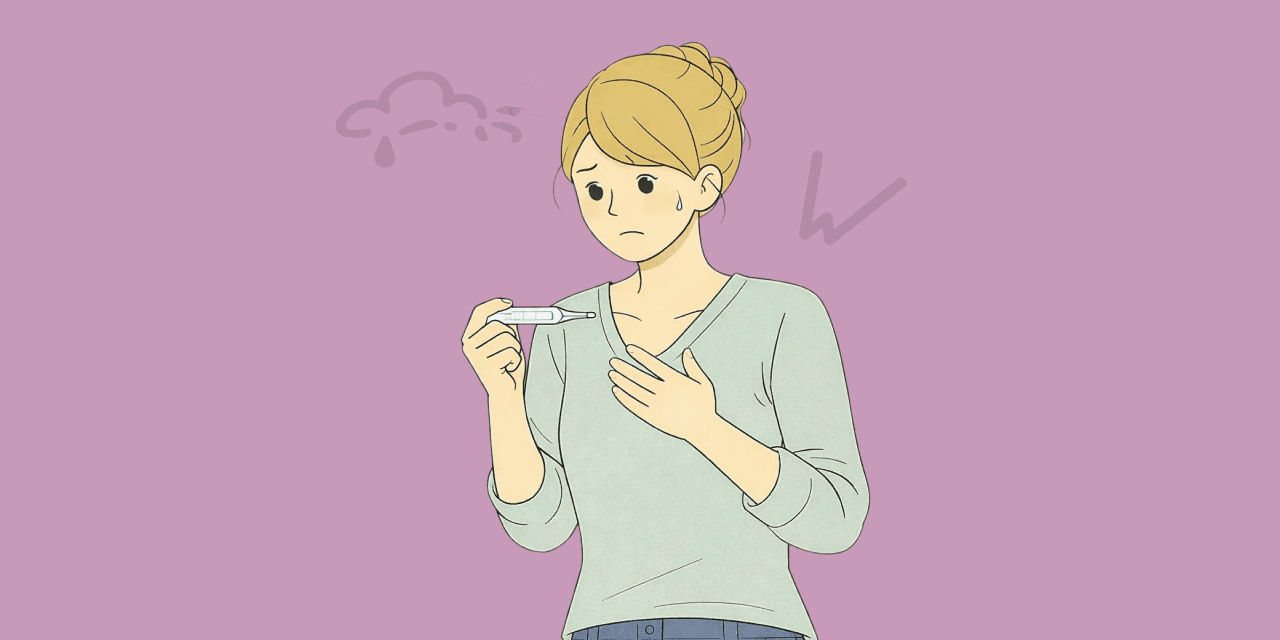
What you’re going through can be scary, draining, and hard to switch off, even when you cannot fully explain it. Over 10% of people go through something like this at different points in life. Together, we will look at what may be affecting health anxiety and which daily supports and treatment options people often use.
💡 What Health Anxiety Really Are
Health anxiety is more than noticing a symptom or caring about your health. It’s when body feelings, small changes, or normal sensations keep triggering worry that something is seriously wrong, even when there is not clear proof of that. It can make checking, searching, reassurance-seeking, and fear take up more of the day and keep affecting sleep, focus, and routine over time.
Common signs of health anxiety:
🔻 Symptom checking
🔻 Constant worry
🔻 Reassurance seeking
🔻 Internet searching
🔻 Racing thoughts
🔻 Poor sleep
🔻 Fear of illness
🔻 Trouble focusing
Based on commonly reported experiences and general health discussions.
🧠 Why It Happens
Health anxiety can start for different reasons depending on the person and what is going on in life. These reasons often show up through normal daily things people can recognize, like stress, poor sleep, past health scares, body changes, or hard experiences. This list can help you see which reasons feel close to what has been going on for you.
What can cause health anxiety:
😓 1. Long Stress
🔻
Ongoing stress can keep your mind and body so tense that small symptoms start feeling more serious than they are.
🌧️
By the end of the day, a normal ache, headache, or odd feeling suddenly feels like something you need to figure out right away.
🙌
Skip one thing this week that can wait, giving yourself a bit of a break may help if body worries are already taking up too much space.
😴 2. Poor Sleep
🔻
Bad sleep can make your body feel off in small ways and make your mind much quicker to worry about them.
🌧️
After a rough night, your chest feels strange or your head feels heavy, and your mind starts jumping to the worst answer.
🙌
See if you can keep one sleep habit the same this week, even a small bit of routine may help you feel calmer and less thrown off by body changes.
🩺 3. Past Health Scare
🔻
Going through a real health problem before can make it much harder to trust body sensations later on.
🌧️
A new feeling shows up, and your mind goes straight back to the last time something serious happened.
🙌
Write down what feels similar and what feels different this time, that may help you slow the fear down instead of treating every symptom like the same emergency.
💭 4. Overthinking
🔻
When your mind keeps circling the same fear, one small symptom can turn into a much bigger problem in your head.
🌧️
A sore spot or short flutter keeps coming back into your thoughts until it feels impossible to think about anything else.
🙌
Try putting the main fear into one simple sentence, that may help you look at it more clearly instead of letting it grow.
🔎 5. Too Much Checking
🔻
Constant checking can keep your attention locked on the body and make normal changes feel more suspicious.
🌧️
You keep touching the same place, checking your pulse, or testing how you feel, and each check makes you less sure instead of more sure.
🙌
See if you can wait a little longer before checking again, fewer checks may help the worry take up less of your day.
📱 6. Searching Online
🔻
Reading too much health information can make common symptoms sound much more dangerous than they usually are.
🌧️
One search leads to another, and soon the worst answers are the ones that stay stuck in your head.
🙌
Stop after one short search if you can, that may help you spend less time feeding fear and more time getting back to your day.
👤 7. Feeling Alone With It
🔻
Body worries often grow faster when you keep them in your head and go over them by yourself for too long.
🌧️
The same fear keeps looping because there is no outside voice helping you bring it back down to size.
🙌
Text one person you feel safe with, even a short real conversation may help the fear feel less big.
🧠 8. Hard Past Experiences
🔻
A hard experience from the past can leave you expecting danger even when your body is doing something ordinary.
🌧️
A small change shows up, and your body reacts fast before you have even decided whether it matters.
🙌
If you can, pause for a minute before doing anything else, that little break may help you slow the panic down.
📉 9. Burnout
🔻
Pushing through too much for too long can leave your body tired and your mind much less able to brush things off.
🌧️
You are already worn out, and then one new symptom feels like proof that something is badly wrong.
🙌
Don’t make yourself do one thing this week that is not really needed, a little less pressure may help when you already feel worn out.
🏥 10. Seeing Illness Around You
🔻
A hard experience from the past can leave you expecting danger even when your body is doing something ordinary.
🌧️
A small change shows up, and your body reacts fast before you have even decided whether it matters.
🙌
Try taking a break from those stories for a bit, less focus on illness may help the fear calm down.
🌱 Lifehacks & Natural Solutions
Small daily habits can support health anxiety by making the day feel steadier and easier to handle. Done regularly, they can make everyday life feel more manageable when body worries keep coming back in the background.
8 practical daily habits for health anxiety
📝 1. Symptom notes
Writing down the main symptom and when it showed up can stop your mind from chasing it in circles. A few short notes can make it easier to see what is actually happening instead of relying on panic. Over time, this can help you feel more confident about what you are noticing and less overwhelmed by uncertainty.
⏱️ 2. Fewer body checks
Checking less often can stop the body from becoming the main thing your mind keeps returning to. Touching the same spot, counting your pulse, or testing how you feel over and over usually keeps the worry going longer. With fewer checks, you may find that health worries take up less of your attention through the day.
📱 3. Less symptom searching
Cutting down online searching gives your mind fewer scary answers to hold onto. One short search often turns into many more when you are already worried and tired. This can help you spend less time feeding fear and more time focusing on normal life.
🛏️ 4. Sleep routine
A regular sleep routine helps your body feel more predictable from one day to the next. Going to bed and getting up around the same time often cuts down on the rough tired feelings that make symptoms harder to trust. As this becomes more regular, you may feel calmer, more rested, and better able to judge what is going on.
🚶 5. Daily walk
A short walk can break up the kind of tension that makes body worries feel louder. Even ten minutes outside can shift your attention away from constant checking and back into the day around you. Doing this regularly may help you feel more present, more relaxed, and less focused on every small feeling in your body.
🌬️ 6. Slower breathing
Slower breathing can help when a body feeling starts turning into a bigger fear loop. A few steadier breaths with a longer exhale can give your body a clearer signal that the moment is not getting worse right away. With practice, this may help you feel less pulled into the first wave of panic when a symptom shows up.
☀️ 7. Morning light
Morning light gives the day a steadier start and helps your body wake up more fully. Sitting by a bright window or stepping outside early can stop the morning from feeling slow and strange for too long. As this becomes part of your routine, you may feel more awake, more steady, and less likely to read tiredness as something serious.
🤝 8. Say the fear plainly
Putting the fear into one simple sentence can make it feel less slippery and less endless. Saying the exact worry out loud is often clearer than letting many different fears bounce around in your head. This can help you feel less trapped in uncertainty and more able to see the fear for what it is.
🏥 When to Talk to a Doctor
Health anxiety is usually looked at by paying attention to symptoms, how long they have been going on, and how much they are affecting daily life. When these symptoms start getting harder to sort out on your own, speaking with a doctor can help explain what may be going on and what support may fit best.
Professional support may be helpful when:
🔻 Body worries take up most of the day
🔻 Sleep keeps getting worse because of health fears
🔻 You keep checking symptoms again and again
🔻 Work, school, or routine is getting harder to manage
🔻 The fear feels too strong to handle alone
🩺 Primary Care Doctor
Many people start here because this doctor can help sort out whether body symptoms need medical checking or whether the fear itself has started taking over, conversations often cover 🔸 Symptom History, 🔸 Recent Changes, 🔸 Daily Impact, 🔸 Next Steps
🧠 Psychologist
Working with a psychologist often means looking at what keeps the fear going and how checking, searching, or reassurance-seeking affect daily life, sessions may explore 🔸 Thought Loops, 🔸 Body Fear, 🔸 Triggers, 🔸 Coping Skills
💊 Psychiatrist
This professional focuses on anxiety from the medical side and may help when the worry is strong, repeated, or hard to manage without added support, evaluation may include 🔸 Symptom Severity, 🔸 Sleep Effects, 🔸 Medicine Options, 🔸 Follow-Up Needs
🗣️ Therapist
Support from a therapist usually involves regular conversations that help people work through health fears in a practical and steady way, discussions usually involve 🔸 Reassurance Habits, 🔸 Symptom Focus, 🔸 Daily Stress, 🔸 Routine Problems
😴 Sleep Specialist
You might meet with a sleep specialist when poor sleep and body worry keep feeding into each other and making nights harder to get through, focus areas include 🔸 Sleep Timing, 🔸 Night Waking, 🔸 Rest Quality, 🔸 Bedtime Habits
🩻 Relevant Specialist
Sometimes a specialist helps when one body area keeps coming up again and needs a clearer answer so the same fear does not keep taking over, evaluation may include 🔸 Specific Symptoms, 🔸 Test Results, 🔸 Rule-Outs, 🔸 Follow-Up Plan

🧬 Types of Health Anxiety
Health anxiety can show up in different ways, and one type may feel more familiar to you than another. Looking through the common types can make it easier to put clearer words to what has been going on.
8 common types of health anxiety
💓 1. Symptom-Focused Health Anxiety
One common type starts with body feelings that are hard to ignore, like chest changes, headaches, stomach problems, or dizziness. What usually stands out is how one small symptom can take over your attention for hours.
🔎 2. Checking Health Anxiety
Some people mainly deal with a version that centers on checking the body again and again for signs that something is wrong. The main pattern is that each check brings short relief, then the fear comes right back.
📱 3. Internet-Driven Health Anxiety
A lot of the fear in this type grows after symptom searching, reading forums, or going through health content for too long. Daily life often gets harder because one search can turn into a long spiral of worst-case answers.
🩺 4. Reassurance-Seeking Health Anxiety
Another common form keeps pushing a person to ask other people or doctors for repeated reassurance. The hard part is that the relief usually fades fast, so the same fear keeps needing another answer.
🌙 5. Night Health Anxiety
For some people, body worries get louder at night when everything is quiet and there are fewer distractions. What often stands out is how normal body feelings seem much more serious when you are trying to sleep.
😨 6. Panic-Linked Health Anxiety
This type is tied closely to sudden body fear, especially when fast heartbeat, short breathing, or dizziness start feeling dangerous. The body reaction itself often becomes the thing that keeps the fear going.
🏥 7. Health Anxiety After A Scare
A more specific version can begin after a real illness, hospital visit, or frightening test result. Even after the main event is over, new body changes may still feel much harder to trust.
👪 8. Family-Triggered Health Anxiety
Sometimes the fear grows after seeing illness closely in a parent, partner, child, or someone else important. What makes this type easier to recognize is how strongly another person’s health story shapes the way you read your own body.
🧩 Treatment Approaches
🔹 Overall approach
Treatment for health anxiety is usually not just one thing. Care often works best as a mix of support that fits the person, what daily life has been like, and what has been making the body fears harder to calm down. What helps one person may not be the same for someone else, so support often needs adjusting along the way.
🔹 Professional evaluation
Care often starts by looking at what the body worries are really like and how long this has been going on. A provider may ask what symptoms keep pulling your attention back, what checking or searching looks like, and how much normal life is being affected. The goal is to look at the full picture instead of guessing from one symptom on its own.
🔹 Common treatment components
Support may include therapy, regular check-ins, daily habit changes, and medicine when it fits the bigger picture. Different kinds of help often work better together because health anxiety can affect thoughts, body fear, sleep, and routine at the same time. The mix may change depending on what the person is dealing with and what actually helps over time.
🔹 Time, adjustment, and follow-up
Some people notice small changes within a few days, while others need a few weeks before things start feeling steadier. Progress is not always straight, and it is normal for support to need small changes along the way. Follow-up helps make sure the support still fits what is really happening day to day.
If symptoms feel severe, long-lasting, or overwhelming, speaking with a healthcare professional can help guide next steps and support an individualized plan.
🔁 Quick Recap
Health anxiety is more than being careful about symptoms and can make normal body feelings feel much bigger, scarier, and harder to leave alone. What usually helps next is noticing triggers, using steady daily support, and getting treatment when the worry keeps affecting normal life.
💬 FAQ
❓ How do I know if I have health anxiety?
Health anxiety usually means body worries keep coming back and start affecting sleep, focus, routine, or how much time you spend thinking about symptoms.
❓ What does health anxiety feel like day to day?
It often feels like small body changes become hard to ignore, and the worry keeps coming back even after checking, searching, or reassurance.
❓ Can health anxiety make symptoms feel worse?
Yes, fear and constant checking can make body sensations feel stronger, more noticeable, and harder to brush off once attention stays fixed on them.
❓ Is health anxiety the same as being careful about your health?
No, being careful is normal, while health anxiety usually keeps going long after the concern should have settled down.
❓ Can health anxiety affect sleep?
Yes, health anxiety can make it harder to relax, stop checking symptoms, or settle enough to fall asleep and stay asleep.
❓ Why do I keep checking my body for symptoms?
Checking often gives short relief, but it can also keep the worry going by pulling your attention back to the same fear.
❓ Can searching symptoms online make health anxiety worse?
Yes, repeated searching often increases fear because common symptoms can quickly start sounding much more serious than they usually are.
❓ What is the difference between health anxiety and a real health problem?
A real health problem and health anxiety can overlap, which is why repeated or confusing symptoms are worth discussing with a doctor.