Emotional Dysregulation: Why Emotions Feel Hard to Control
Mental Health
8 min read
Dec 12, 2025
A practical guide that explains emotional dysregulation, what may be connected to it, and what daily support and treatment may help when emotions start affecting normal life.
Post Structure / Key Points
🤲 You’re Not Alone
What you’re going through can be confusing, exhausting, and hard to calm down, even when you cannot fully explain it. Over 10% of people go through something like this at different points in life. Together, we will look at what may be affecting emotional dysregulation and which daily supports and treatment options people often use.
💡 What Emotional Dysregulation Really is
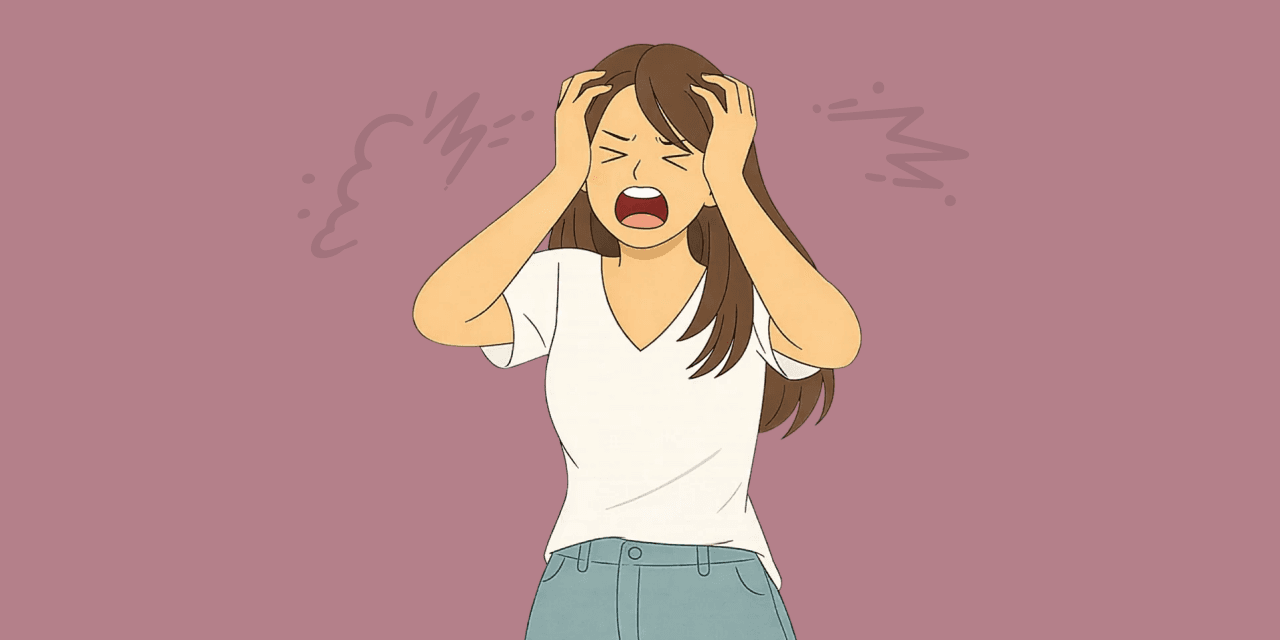
Emotional dysregulation is more than being sensitive or getting upset once in a while. It’s when emotions hit harder, faster, or longer than expected and become difficult to settle once they start. It can make normal conversations, stress, or small problems feel much bigger than they are and keep affecting reactions through the day over time.
Common signs of emotional dysregulation:
🔻 Strong reactions
🔻 Fast mood changes
🔻 Hard to calm down
🔻 Irritable mood
🔻 Feeling overwhelmed
🔻 Impulsive choices
🔻 Trouble focusing
🔻 Emotional outbursts
Based on commonly reported experiences and general health discussions.
🧠 Why It Happens
Emotional dysregulation can start for different reasons depending on the person and what is going on in life. These reasons often appear through normal daily things the reader can recognize, such as long stress, poor sleep, childhood experiences, relationship conflict, overload, or mental health struggles. This list can help you see which reasons feel close to what has been going on for you.
What can cause emotional dysregulation:
😓 1. Long Stress
🔻
Being under stress for a long time can make your emotions feel closer to the surface and harder to control.
🌧️
After weeks of pressure at work, at home, or with money, even a small problem can start getting a much bigger reaction than it used to.
🙌
Pick the part of the day that feels most stressful and make it simpler this week, so there is a little less pressure building up.
😴 2. Poor Sleep
🔻
Bad sleep can leave you more reactive, less patient, and much slower to settle after something sets you off.
🌧️
By morning, patience is lower, small things feel bigger, and it takes less than usual to get upset.
🙌
Keep tonight quiet and simple if you can, so you have a better chance of getting real rest before tomorrow starts.
💔 3. Hard Life Experiences
🔻
Painful experiences can leave your nervous system reacting more strongly, even after the moment itself has passed.
🌧️
A normal conversation, sound, or reminder can suddenly bring up a reaction that feels much bigger than the situation around you.
🙌
Tell one trusted person what has been sitting on your mind, so you are not carrying all of it by yourself.
👶 4. Childhood Patterns
🔻
Growing up around conflict, fear, or unstable care can make emotional reactions harder to manage later in life.
🌧️
Around criticism, rejection, or tension, your response may feel fast and strong before you have time to slow it down.
🙌
Write down the kinds of situations that set this off most, so the pattern becomes easier to notice over time.
⚡ 5. Feeling Overloaded
🔻
Too much noise, pressure, responsibility, or input at once can make emotions harder to hold in a normal range.
🌧️
During a busy day, your head feels full, your body feels tense, and one more thing can feel like too much.
🙌
Step away for a few quiet minutes when that build-up starts, so your mind gets a short break before the reaction gets stronger.
🧍 6. Feeling Rejected
🔻
Rejection can hit especially hard when it quickly turns into hurt, anger, shame, or panic.
🌧️
A short reply, a cancelled plan, or a change in tone can feel much bigger inside than it may look from the outside.
🙌
Put the moment into one short sentence on paper, so you can slow it down and look at what actually happened.
🔄 7. Relationship Conflict
🔻
Ongoing conflict can keep your emotions active and make it harder to calm down between one hard moment and the next.
🌧️
Arguments, tension, or feeling misunderstood can leave your body reacting long after the conversation ends.
🙌
Take a break from the discussion before it gets bigger, so both sides have a little time to calm down first.
🧠 8. Anxiety Or Depression
🔻
Anxiety or depression can make emotional dysregulation worse by making reactions feel heavier, faster, or harder to settle.
🌧️
On harder days, worry, sadness, or frustration can build up quickly and spill into the rest of the day.
🙌
Write down what you were feeling before the reaction started, so it is easier to see what was building up underneath it.
📱 9. Constant Input
🔻
Too much scrolling, messaging, and nonstop input can leave your mind feeling full and easier to set off.
🌧️
After a long stretch on your phone, your head feels crowded and your emotions may feel sharper than usual.
🙌
Put your phone away for a little while each day, so you get some quiet time without new messages or videos.
🍺 10. Alcohol Or Drugs
🔻
Alcohol or drugs can affect judgment and emotions in ways that make reactions harder to control.
🌧️
What starts as trying to relax or switch off can leave you more reactive, more upset, or less in control later.
🙌
Write down how you feel after using it, so you can see more clearly whether it is making the problem worse.
🌱 Lifehacks & Natural Solutions
Small daily habits can make emotions feel less all over the place and give the day more structure. Done regularly, they can make everyday life feel steadier and easier to get through.
8 everyday ways to support emotional dysregulation:
🛏️ 1. Sleep routine
A regular sleep routine helps your body feel less worn out from the start of the day. Going to bed and getting up around the same time often leaves you with a little more patience the next day. As this becomes more regular, you may feel calmer, more rested, and less thrown off by small things.
🍽️ 2. Steady meals
Regular meals bring structure to the day and help avoid extra drops in energy and mood. Long gaps without food can leave you more tired, more irritable, and easier to upset. With steadier meals, you may find that your reactions feel less sharp through the day.
📝 3. Mood notes
Writing down what happened, how you felt, and what came before it can make patterns easier to notice. A few short notes can show what keeps coming before the harder reactions. Over time, this can help you feel more sure about what keeps setting things off.
🚶 4. Short walk
A short walk can break up tension before it keeps building. Even ten minutes outside can change the feel of the afternoon when your head and body both feel too full. Doing this regularly may help you feel more present and less stuck in the same upset feeling.
📱 5. Less late scrolling
Cutting down late-night scrolling helps your mind slow down before bed. Long stretches on your phone often leave your head more tired and your body less settled by the next day. This can help you spend less time winding yourself up at night and more time actually resting.
⏸️ 6. Small pause
Taking a short pause before answering can stop a hard moment from getting even bigger. Even ten seconds, one breath, or walking into another room can change what happens next. Over time, this may help you feel less controlled by the first reaction that hits.
☀️ 7. Morning light
Morning light helps your body wake up at a more regular time and gives the day a steadier start. Sitting by a bright window or stepping outside early can make the morning feel less slow and heavy. As this becomes part of your routine, you may feel more awake and less off from the start of the day.
🤝 8. Simple check-in
A quick check-in with someone safe can help when emotions are building and you are stuck in your own head. One short message or brief talk can make the moment feel less intense. That can leave you feeling less alone and less likely to spiral into a bigger reaction.
🏥 When to Talk to a Doctor
Emotional dysregulation is usually looked at by paying attention to reactions, how often they happen, and how much they are affecting daily life. When these symptoms start getting harder to sort out on your own, speaking with a doctor can help explain what may be going on and what support may fit best.
Professional support may be helpful when:
🔻 Reactions keep affecting work, school, or home life
🔻 It takes a long time to calm down
🔻 Relationships keep getting damaged by strong reactions
🔻 Sleep, routine, or focus keeps getting worse
🔻 The problem feels too hard to handle alone
🩺 Primary Care Doctor
Many people start here because this doctor can look at the full picture and help sort out whether stress, sleep, health changes, or another issue may be making emotions harder to manage, conversations often cover 🔸 Sleep Changes, 🔸 Daily Stress, 🔸 Physical Symptoms, 🔸 Routine Problems
🧠 Psychologist
Working with a psychologist often means looking at what sets off strong reactions and how those moments play out in daily life, sessions may explore 🔸 Triggers, 🔸 Thought Loops, 🔸 Relationship Stress, 🔸 Coping Skills
💊 Psychiatrist
This professional focuses on mental health from the medical side and may help when emotional reactions are strong, repeated, or tied to other mood problems, evaluation may include 🔸 Mood Changes, 🔸 Sleep Problems, 🔸 Medication Options, 🔸 Follow-Up Needs
🗣️ Therapist
Support from a therapist usually involves regular conversations that help you work through hard reactions in a practical and steady way, discussions usually involve 🔸 Daily Situations, 🔸 Hard Emotions, 🔸 Family Tension, 🔸 Response Habits
😴 Sleep Specialist
You might meet with a sleep specialist when poor sleep seems tightly linked to strong reactions or harder days, focus areas include 🔸 Sleep Schedule, 🔸 Night Waking, 🔸 Daytime Tiredness, 🔸 Bedtime Habits
🧬 Endocrinologist
In practice, this doctor may help when hormone or body changes could be making mood and reactions harder to read, checkups may include 🔸 Thyroid Function, 🔸 Hormone Levels, 🔸 Energy Changes, 🔸 Weight Shifts
👂 Occupational Therapist
This kind of support may help when overload, sensory stress, or daily tasks keep pushing emotions higher than expected, sessions may explore 🔸 Sensory Triggers, 🔸 Daily Routines, 🔸 Energy Limits, 🔸 Practical Supports

🧬 Types of Emotional Dysregulation
Emotional dysregulation can show up in different ways, and one type may feel more familiar to you than another. Looking through the common types can make it easier to put clearer words to what has been going on.
8 common types of emotional dysregulation
🔥 1. Anger-Based Type
Some people mainly feel it through fast anger, sharp irritation, or strong reactions that build quickly. What often stands out is how small things can suddenly feel much bigger than they really are.
🌊 2. Overwhelm-Based Type
A different kind shows up when emotions pile up so fast that everything starts feeling too much at once. Daily life can get harder quickly because stress, noise, tasks, or people all start hitting too hard.
😢 3. Crying-Based Emotional Dysregulation
For some people, emotions come out fast through crying that feels hard to stop once it starts. The main thing that stands out is how quickly the reaction takes over the rest of the moment.
⚡ 4. Impulsive Emotional Dysregulation
This kind often shows up through saying things fast, acting fast, or making choices before there is time to slow down. What usually stands out is how hard it feels to stop in the middle of a strong reaction.
🌙 5. Night Emotional Dysregulation
Some people notice emotions getting stronger later in the day when they are already tired and worn down. Reactions can feel harder to control at night because there is less patience left by then.
👥 6. Relationship-Triggered Emotional Dysregulation
This type shows up most clearly around conflict, mixed signals, or feeling hurt by other people. One short talk or one bad reply can affect the rest of the day much more than expected.
🧠 7. Stress-Linked Type
A common version builds during busy or hard periods when your mind and body already feel overloaded. Daily life may start feeling harder because reactions get bigger as pressure keeps piling up.
🌫️ 8. Background Emotional Dysregulation
A quieter form can stay in the background through the day without one single blow-up standing out. What often stands out is feeling close to the edge most of the time, even before anything goes wrong.
🧩 Treatment Approaches
🔹 Overall approach
Treatment for emotional dysregulation is usually not about one perfect fix. It often works better as a mix of support that fits the person, what keeps setting them off, and what daily life has really been like. What helps one person may not be the same for someone else, so support often needs adjusting along the way.
🔹 Professional evaluation
Care often starts by looking at what the hard moments are like and how often they happen. A provider may ask what sets them off, how long it takes to calm down, how sleep has been, and how much this is affecting normal life. The goal is to look at the full picture instead of guessing from one reaction on its own.
🔹 Common treatment components
Support may include therapy, regular check-ins, daily routine changes, and sometimes medication when it fits the bigger picture. Different kinds of help often work better together because strong reactions are not always tied to just one thing. The mix may change depending on what the person is dealing with and what actually helps over time.
🔹 Time, adjustment, and follow-up
Some people notice small changes early, while for others it takes longer before things start feeling steadier. Progress is not always straight, and it is normal for support to need small changes as real life keeps moving. Follow-up helps make sure the support still fits what is actually happening day to day.
If symptoms feel severe, long-lasting, or overwhelming, speaking with a healthcare professional can help guide next steps and support an individualized plan.
🔁 Quick Recap
Emotional dysregulation is more than being emotional and can make reactions hit faster, harder, or longer than expected in daily life. What usually helps next is noticing triggers, using steady daily support, and getting treatment when the reactions keep affecting normal life.
💬 FAQ
❓ How do I know if I have emotional dysregulation?
Emotional dysregulation often shows up as reactions that feel stronger, faster, or harder to calm down than expected, especially when it starts affecting daily life.
❓ What does emotional dysregulation feel like?
It can feel like emotions hit hard, shift quickly, or stay strong longer than expected, making small situations feel much harder to handle.
❓ Is emotional dysregulation the same as mood swings?
Not exactly, because mood swings are broader, while emotional dysregulation usually focuses more on how strongly and quickly reactions happen.
❓ Can lack of sleep make emotional dysregulation worse?
Yes, poor sleep can leave people more reactive, less patient, and slower to calm down after stress or frustration.
❓ Can stress cause emotional dysregulation?
Stress can play a big role because long pressure often leaves people easier to set off and harder to settle afterward.
❓ Does emotional dysregulation affect relationships?
Yes, strong reactions, quick mood changes, or trouble calming down can create tension and make normal conversations harder to get through.
❓ Can emotional dysregulation happen with anxiety or depression?
Yes, it can happen alongside other mental health problems, which may make the full picture feel more confusing.
❓ What is the difference between emotional dysregulation and anger issues?
Anger issues focus mainly on anger, while emotional dysregulation can involve many emotions becoming hard to manage.
❓ Can emotional dysregulation get better?
Yes, many people improve by spotting triggers earlier, using steady daily habits, and getting the right support when needed.
❓ Do I need treatment for emotional dysregulation?
Not always, but treatment may help when strong reactions keep affecting work, relationships, sleep, or normal daily life.