Depression – Symptoms, Causes, and Natural Ways That May Help
Mental Health
8 min read
Dec 1, 2025
A simple, friendly guide that helps you understand depression, why it may happen, and what daily actions may support you when life feels harder.
Post Structure / Key Points
🤲 You’re Not Alone
What you’re going through can be heavy, draining, and hard to deal with, even when you cannot fully explain it. 1 in 4 adults experience something similar during their lifetime. Together, we will look at what may be affecting depression and which daily supports and treatment options people often use.
💡 What Depression Really Is
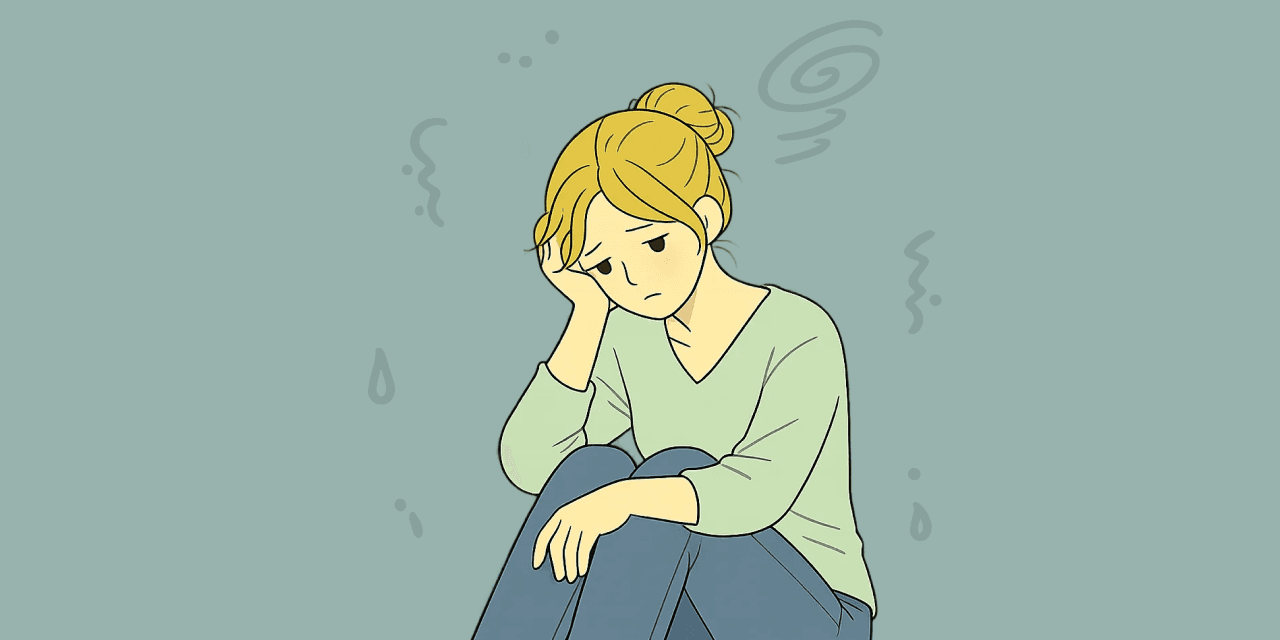
Depression is more than having a rough day or feeling low for a little while. It’s when low mood, emptiness, or loss of interest keeps showing up strongly enough to change how you feel and function. It can make normal things like getting up, replying to people, eating, working, or enjoying anything feel harder, and that can keep affecting daily life over time.
Common signs people notice include:
🔻 Low mood
🔻 Low energy
🔻 Poor sleep
🔻 Loss of interest
🔻 Mental fog
🔻 Appetite changes
🔻 Feeling hopeless
🔻 Irritable mood
Based on commonly reported experiences and general health discussions.
🧠 Why It Happens
Depression can start for different reasons depending on the person and what is going on in life. Those reasons often show up through everyday things people can recognize, like stress, sleep problems, health issues, routine changes, or major life events. This list can help you see which reasons feel close to what has been going on for you.
What can cause depression:
😓 1. Long Stress
🔻
Being under stress for a long time can wear you down and slowly pull your mood lower.
🌧️
After weeks of pressure at work, at home, or with money, even small things can start feeling harder than they used to.
🙌
Choose the part of the day that feels most stressful and make that part simpler this week, so there is a little less pressure on you.
😴 2. Sleep Problems
🔻
Poor sleep can make depression feel worse because your mind and body never get the rest they need.
🌧️
By morning, you already feel tired, low, and not ready for the day because the night did not help enough.
🙌
Keep tonight quiet and simple if you can, so you have a better chance of getting some real rest.
💔 3. Loss Of A Loved One
🔻
Losing someone close can leave a deep sadness that stays with you and changes how daily life feels.
🌧️
A normal moment can suddenly hurt because it reminds you of the person who is no longer there.
🙌
Talk to someone you trust about one memory or one hard moment, so you are not carrying all of it by yourself.
💭 4. Negative Thoughts
🔻
Negative thoughts can pull your mood down when your mind keeps repeating harsh things about yourself or your life.
🌧️
A mistake, awkward moment, or hard day can quickly turn into thoughts that nothing is getting better or that you are not good enough.
🙌
Write down the main thought that keeps coming back, so you can see it clearly instead of going over it again and again.
🩺 5. Ongoing Health Problems
🔻
Ongoing health problems can lead to depression when symptoms, pain, or tiredness keep taking so much out of you.
🌧️
A lot of your energy goes into getting through the day, so there is not much left for anything else.
🙌
Make one part of today easier on purpose, so your body is not dealing with more than it needs to.
🧍 6. Feeling Alone
🔻
Feeling alone for a long time can make depression worse when there is less support, comfort, and connection in daily life.
🌧️
Even when you are around people sometimes, you may still feel cut off and like nobody really knows how you are doing.
🙌
Send a short message to one safe person today, so there is at least one point of connection in the day.
🔄 7. Big Life Changes
🔻
Big life changes can affect your mood when they take away routine, security, or the sense that life feels familiar.
🌧️
After a breakup, move, job change, or another major shift, the day can start feeling empty or harder to get through.
🙌
Keep one part of your routine the same this week, so not everything feels changed at once.
📉 8. Burnout
🔻
Burnout can turn into depression when too much pressure goes on for too long without enough rest or recovery.
🌧️
You keep doing what needs to be done, but interest, patience, and energy keep dropping more and more.
🙌
Leave a non-urgent task for later, so you are not forcing yourself through everything at once.
👨👩👧 9. Family History
🔻
Depression can be easier to fall into when mood problems already run in the family.
🌧️
Your low periods may start sounding a lot like what other people in your family have gone through.
🙌
Write down the mood changes you have been noticing, so it is easier to explain them clearly if you talk to a doctor.
😟 10. Constant Worry
🔻
Constant worry can wear you down enough that low mood starts becoming part of everyday life too.
🌧️
When your mind spends most of the day on fears, problems, or what could go wrong, you can end up feeling tired and low as well.
🙌
Put the main worry into one short sentence on paper, so it feels more clear and less endless in your head.
🌱 Lifehacks & Natural Solutions
Small daily habits can make the day feel steadier when depression is making normal life harder. Done regularly, these habits can make everyday life feel a little more manageable.
10 everyday ways to support depression
🌞 1. Morning light
Morning light gives the day a clearer start and helps your body wake up more fully. Sitting by a bright window or stepping outside soon after waking can stop the morning from feeling slow for too long. As this becomes more regular, you may feel more awake, more steady, and less stuck in that heavy morning fog.
🚶 2. Daily walk
A short walk breaks up long stretches of sitting and low energy. Even ten minutes outside can change the feel of the afternoon when everything starts going flat. Doing this regularly may help you feel more present and less swallowed up by the same heavy mood all day.
🍽️ 3. Steady meals
Regular meals bring structure to the day and help avoid extra crashes from long gaps without food. Skipping meals often leaves you more tired and makes it harder to tell what is making the day worse. With steadier meals, you may find that your energy feels less uneven and the day feels a little easier to handle.
🛏️ 4. Sleep routine
A regular sleep routine gives your body a better chance to settle at a similar time each night. Going to bed and getting up around the same time often stops sleep from getting more messy from one day to the next. As your sleep becomes more consistent, you may feel calmer, more rested, and better able to get through the day without feeling completely drained.
📝 5. Mood notes
Writing down a few short notes each day makes changes easier to notice. A line about mood, sleep, appetite, or energy can show what tends to come before the harder days. Over time, this can help you feel more sure about what has been going on and less lost in it.
📱 6. Less late scrolling
Less late-night scrolling helps the mind slow down before bed. Long stretches on your phone often keep you awake longer and leave the next day feeling flatter and more tired. This can help you spend less time winding yourself up at night and more time actually resting.
🧹 7. One small task
One small task can bring a bit of movement into a day that feels stuck. Washing a few dishes, changing clothes, or clearing one surface gives the day one clear point instead of leaving everything piled together. With this habit, you may find it easier to get started instead of feeling frozen by the whole day at once.
🤝 8. Small contact
A little contact with another person can break up some of the shut-off feeling that comes with depression. One short message, quick call, or brief chat can change the tone of the day more than you expect. Over time, this may help you feel less alone and less cut off from everything around you.
🎧 9. Soft music or nature sounds
Play calming music or gentle nature audio during the day – a lot of individuals find it creates a soothing atmosphere that eases emotional tension.
🌳 10. Time in nature
Take a walk outside or sit near greenery – spending time outdoors can create a sense of calm, and many people say it naturally lifts their mood.
🏥 When to Talk to a Doctor
Depression is usually checked by looking at symptoms, how long they have been going on, and how much they are affecting daily life. When these symptoms start getting harder to sort out on your own, speaking with a doctor can help explain what may be going on and what support may fit best.
Professional support may be helpful when:
🔻 Low mood lasts for weeks and is not lifting
🔻 Sleep, eating, or daily routine keeps getting worse
🔻 Work, school, or home life feels much harder to manage
🔻 You stop enjoying most things most days
🔻 It feels too hard to handle this alone
🩺 Primary Care Doctor
Many people start here because this doctor can help sort out whether stress, sleep, health changes, or something else may be tied to depression, conversations often cover 🔸 Mood Changes, 🔸 Sleep Problems, 🔸 Energy Levels, 🔸 Daily Impact
🧠 Psychologist
Working with a psychologist often means talking through the low periods and looking at what keeps showing up around them in daily life, sessions may explore 🔸 Negative Thoughts, 🔸 Daily Stress, 🔸 Coping Skills, 🔸 Behavior Changes
💊 Psychiatrist
This professional focuses on depression from the medical side and may help when symptoms are strong, repeated, or hard to manage without added support, evaluation may include 🔸 Symptom Severity, 🔸 Sleep Patterns, 🔸 Medication Options, 🔸 Follow-Up Needs
🗣️ Therapist
Support from a therapist usually involves regular conversations that help people work through the heavier days in a steady and practical way, discussions usually involve 🔸 Hard Emotions, 🔸 Relationships, 🔸 Routine Problems, 🔸 Daily Functioning
😴 Sleep Specialist
You might meet with a sleep specialist when poor sleep seems tightly linked to the low mood or has been falling apart for a while, focus areas include 🔸 Sleep Timing, 🔸 Night Waking, 🔸 Daytime Tiredness, 🔸 Bedtime Habits
🧬 Endocrinologist
In practice, this doctor may help by checking whether hormone or body changes are adding to the low mood and making the picture harder to read, evaluation may include 🔸 Thyroid Function, 🔸 Hormone Levels, 🔸 Weight Changes, 🔸 Fatigue
🥗 Dietitian
Many people turn to a dietitian when eating has become uneven and low appetite or skipped meals are making energy harder to manage, discussions usually involve 🔸 Meal Timing, 🔸 Appetite Changes, 🔸 Food Routine, 🔸 Energy Dips

🧬 Types of Depression
Depression can show up in different ways, and one type may feel more familiar to you than another. Looking through the common types can make it easier to put clearer words to what has been going on.
8 common types of depression
🌧️ 1. Major Depression
The most common form usually brings a strong low mood or loss of interest that lasts for at least a couple of weeks. Symptoms often affect sleep, energy, and normal routine strongly enough to disrupt daily life.
🕰️ 2. Persistent Depression
A longer-lasting type can stay around for two years or more in adults. The symptoms may feel less severe than major depression, but they can still wear down work, relationships, and day-to-day life over time.
🌙 3. Seasonal Depression
During fall or winter, some people notice their mood gets heavier as daylight gets shorter. Many people find that energy drops, sleep changes, and the low feeling starts easing again when the season changes.
👶 4. Postpartum Depression
After giving birth, this type can feel much more intense than the short-term baby blues. It may bring deep sadness, anxiety, or trouble feeling connected during a time that is already physically and emotionally demanding.
🔄 5. Recurrent Depression
For some people, depression comes back in separate low periods instead of staying at the same level all the time. What often stands out is that the same kind of hard stretch keeps returning during different parts of life.
🎭 6. High-Functioning Depression
Some people keep going to work, answering messages, and doing normal tasks while still feeling low underneath it all. Other people may not notice much from the outside, even though the day feels heavy and flat from the inside.
⚖️ 7. Atypical Depression
In this version, mood can lift for short periods even though the low feeling keeps coming back. The main difference is that brief better moments do not stop the problem from still affecting normal life.
🌫️ 8. Situational Depression
This type often begins after a major life event such as a loss, breakup, or big change. What usually stands out is how closely the low mood feels tied to that event, even if daily life has already started moving forward again.
🧩 Treatment Approaches
🔹 Overall approach
Treatment for depression is usually not just one thing. Care often works best as a mix of support that fits the person, what daily life has been like, and what has been making things harder. What helps one person may not be the same for someone else, so support often needs adjusting along the way.
🔹 Professional evaluation
Care often starts by looking at what the harder days have really been like and how long this has been going on. A provider may ask what has changed lately, how sleep and energy have been, and how much normal life is being affected. The goal is to look at the full picture instead of guessing from one symptom on its own.
🔹 Common treatment components
Support may include therapy, regular check-ins, daily habit changes, and medication when it fits the bigger picture. Different kinds of help often work better together because depression can affect more than one part of life at once. The mix may change depending on what the person is dealing with and what actually helps over time.
🔹 Time, adjustment, and follow-up
Some people notice small changes within a few days, while others need a few weeks before things start feeling steadier. Progress is not always straight, and it is normal for support to need small changes along the way. Follow-up helps make sure the support still fits what is really happening day to day.
If symptoms feel severe, long-lasting, or overwhelming, speaking with a healthcare professional can help guide next steps and support an individualized plan.
🔁 Quick Recap
Depression is more than a rough day and can make normal life feel heavier, slower, and harder to care about over time. What usually helps next is noticing what may be tied to it, using steady daily support, and getting treatment when the harder days keep affecting normal life.
💬 FAQ
❓ How do I know if I have depression?
Depression usually lasts longer than a bad day and often affects mood, sleep, energy, interest, and daily life in ways that are hard to ignore.
❓ What does depression feel like day to day?
It can feel like low mood, low energy, poor sleep, and less interest in normal things, even when nothing looks obviously wrong from the outside.
❓ What can cause depression?
Depression may be linked to stress, grief, burnout, poor sleep, health problems, major life changes, isolation, or family history in daily life.
❓ Can depression affect sleep?
Yes, depression can make it harder to fall asleep, stay asleep, wake up rested, or keep a regular sleep routine over time.
❓ Can depression make you tired all the time?
Yes, depression often comes with low energy, poor sleep, and mental fog that can make even simple tasks feel harder to get through.
❓ Is depression the same as sadness?
No, sadness is usually tied to one situation, while depression often lasts longer and affects sleep, motivation, focus, and normal daily routine.
❓ Can depression affect appetite?
Yes, some people eat much less, others eat more, and both changes can happen when depression starts affecting everyday life more strongly.
❓ What is the difference between mild depression and major depression?
Mild depression may leave you functioning with more effort, while major depression usually affects more parts of life more strongly and more often.
❓ Does depression always look the same?
No, depression can look different from person to person, and some forms feel deeper, longer, quieter, or more tied to certain times.
❓ Can depression get better?
Yes, many people improve with the right mix of support, daily habits, and treatment when the harder days keep lasting.
Sources & References
Reputable medical and research sources used to inform this article.
National Institute of Mental Health -
Mayo Clinic -
World Health Organization (WHO) -
NHS (UK National Health Service) -
PubMed (U.S. National Library of Medicine) -
Centers for Disease Control and Prevention (CDC) -