Living With Bipolar Disorder: What to Know
Mental Health
8 min read
Dec 7, 2025
A practical guide that explains bipolar disorder, what may be behind it, and what everyday support can look like when mood and energy start changing in bigger ways.
Post Structure / Key Points
🤲 You’re Not Alone
What you’re going through can be confusing, draining, and hard to trust, even when you cannot fully explain it. Over 1% of people experience something like this at different points in life. Together, we will look at what may be affecting bipolar disorder and which daily supports and treatment options people often use.
💡 What Bipolar Disorder Is
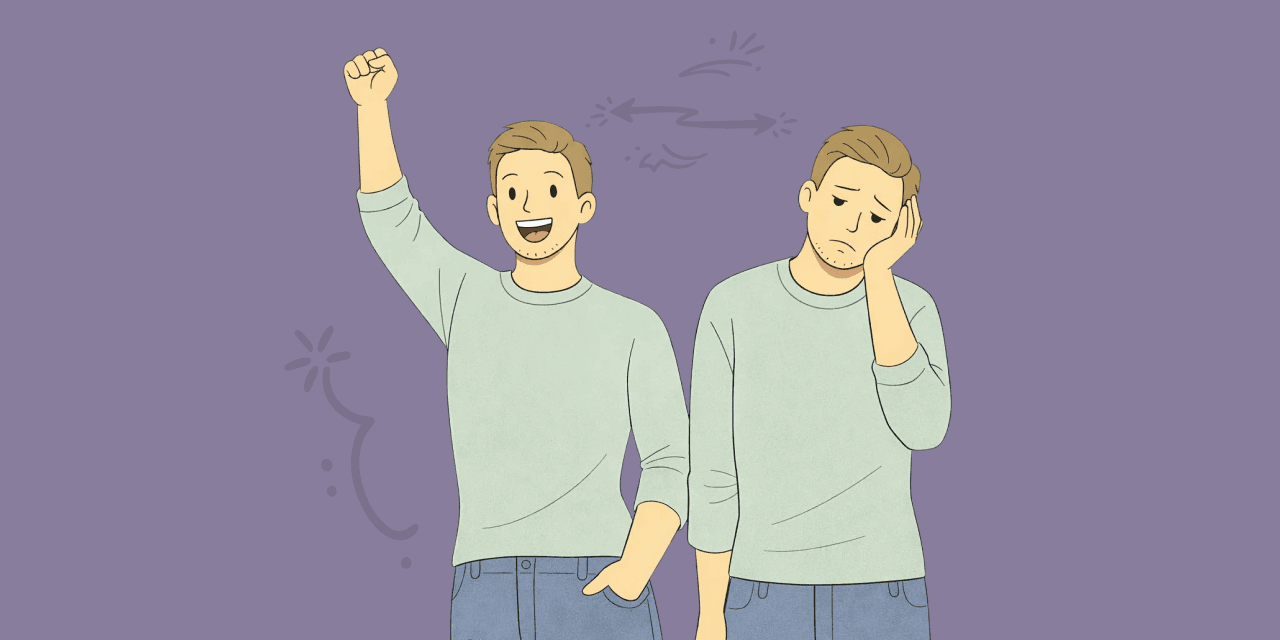
Bipolar disorder is more than normal ups and downs or having a few emotional days. It’s when mood and energy shift in bigger ways, with lower periods and higher or more restless periods that can change sleep, thinking, and behavior. It can make daily life feel hard to predict and can start affecting work, routine, relationships, and judgment over time.
Common signs of bipolar disorder:
🔻 Big mood shifts
🔻 High energy
🔻 Low mood
🔻 Less sleep
🔻 Racing thoughts
🔻 Fast talking
🔻 Irritable mood
🔻 Risky choices
Based on commonly reported experiences and general health discussions.
🧠 Why Bipolar Disorder Happens
Bipolar disorder can start for different reasons, and it does not look the same for everyone. A lot of those reasons show up through daily things like sleep changes, stress, family history, health, or major life changes. This list can help you see which reasons feel close to what has been going on for you.
What can cause bipolar disorder:
🧬 1. Family History
🔻
Bipolar disorder can run in families, so mood changes may be easier to develop when this is already part of your background.
🌧️
Over time, your own mood shifts may start sounding a lot like what other people in your family have gone through.
🙌
Write down the changes you have been noticing, so it is easier to explain them clearly if you talk to a doctor.
😴 2. Sleep Changes
🔻
Big changes in sleep can affect mood strongly and make it easier for symptoms to show up or get worse.
🌧️
After a few nights of sleeping much less, your mind may feel faster, your energy may go up, and your reactions may feel bigger than usual.
🙌
Keep your sleep and wake time as regular as you can this week, so your body has less chance to get pushed further off track.
😓 3. Long Stress
🔻
Long stress can put so much pressure on the mind and body that mood becomes harder to keep in a normal range.
🌧️
After weeks of pressure at work, at home, or with money, your mood and energy may start changing more than usual from day to day.
🙌
Pick the pressure that is hitting you hardest right now and make that part a little lighter this week, so everything is not building up at once.
⚡ 4. A Big Life Event
🔻
A major life change can make it harder to keep your normal routine, sleep well, and feel like yourself.
🌧️
After a breakup, move, loss, or another major change, your mood may stop settling the way it usually would.
🙌
Keep the rest of your day as simple as you can for now, so one big change is not pulling everything else with it.
🍺 5. Alcohol Or Drugs
🔻
Alcohol or drugs can affect mood, sleep, and judgment in ways that make symptoms harder to read and harder to manage.
🌧️
What starts as trying to calm down, sleep, or feel better can leave your mood feeling much more up or down the next day.
🙌
Write down what you used and how you felt after, so you can see more clearly whether it is making things worse.
🧠 6. Brain Chemistry
🔻
Bipolar disorder is also linked to how the brain handles mood, energy, and emotional control, which can make shifts stronger for some people.
🌧️
At times, your mood and energy may move much more sharply than the situation around you seems to explain.
🙌
Keep short notes on your mood, sleep, and energy each day, so patterns are easier to notice later.
🔄 7. Broken Routine
🔻
When sleep, meals, work, and rest keep moving around, mood can become harder to keep stable.
🌧️
A messy week with late nights, missed meals, and no clear routine can leave your mood feeling much more up or down than expected.
🙌
Start by putting one part of the day back into place, so the rest of the day has something more regular around it.
💼 8. Too Much Pressure At Once
🔻
Taking on too much at the same time can push stress, energy, and sleep in ways that make mood changes easier to trigger.
🌧️
During a busy stretch, saying yes to everything can leave you sleeping less, doing more, and feeling much more wound up than usual.
🙌
Cut back one extra demand this week, so your mind and body are not carrying more than they need to.
💔 9. Emotional Shock
🔻
A painful or shocking experience can hit hard enough to disturb mood, sleep, and emotional balance.
🌧️
After something upsetting happens, your reactions may feel much bigger, faster, or harder to settle than they usually do.
🙌
Tell one trusted person what happened, so you are not trying to hold the whole thing on your own.
💊 10. Medicine Changes
🔻
Starting, stopping, or changing some medicines can affect mood and make symptoms less predictable for some people.
🌧️
Not long after a medicine change, sleep, energy, or mood may begin shifting even when the rest of life looks about the same.
🙌
Write down when the change happened and what shifted after it, so you can explain the timing clearly at an appointment.
🌱 Lifehacks & Natural Solutions
Small daily habits can bring more steadiness when bipolar disorder is making the day harder to manage. Done regularly, they can make daily life easier to follow and a little more predictable.
9 everyday habits that support bipolar disorder
🌙 1. Sleep routine
A regular sleep schedule helps keep mood and energy from drifting too far off course. Going to bed and getting up around the same time often makes changes easier to notice earlier. As this becomes more regular, you may feel more steady and better able to notice when something starts shifting.
🍽️ 2. Steady meals
Regular meals bring structure to the day and help avoid extra drops in energy or patience. Skipping meals can leave your body feeling off in a way that makes mood harder to read. With steadier meals, you may find that your energy feels less uneven and the day feels easier to handle.
📝 3. Mood notes
Writing down mood, sleep, and energy makes changes easier to spot before they grow bigger. A few short notes each day can show what tends to happen before a harder stretch begins. Over time, this can help you feel more sure about what keeps showing up and less caught off guard by it.
🚶 4. Daily walk
A short walk can break up built-up pressure and help the middle of the day feel less stuck. Even ten minutes outside can change how heavy or restless the afternoon feels. Doing this regularly may help you feel more present and less swallowed up by the way the day is going.
☀️ 5. Morning light
Morning light helps your body wake up at a more regular time and gives the day a steadier start. Sitting by a bright window or stepping outside early can help stop sleep from moving later and later. As this becomes part of your routine, you may feel more awake, more steady, and less thrown off from the start of the day.
📱 6. Less late scrolling
Cutting down late-night scrolling helps your mind slow down before bed. Long stretches on your phone often keep your brain active when the day really needs to be ending. This can help you spend less time winding yourself up at night and more time actually settling down.
📅 7. Simple routine
A simple routine gives the day a shape that is easier to follow when things already feel less steady. Keeping a few anchor points like meals, bedtime, and one daily task can stop the week from getting too loose. Over time, this may help you notice changes sooner instead of only noticing them once they get bigger.
☕ 8. Less caffeine
Lowering caffeine can help when your body already feels wired, restless, or too alert. Strong coffee or energy drinks can make it harder to tell what is a body reaction and what is a mood shift. With less caffeine, you may find that the day feels less jumpy and easier to read clearly.
🌳 9. Time in nature
Take a walk outside or sit near greenery – spending time outdoors can create a sense of calm, and many people say it naturally lifts their mood.
🏥 When to Talk to a Doctor
Bipolar disorder is usually looked at by paying attention to mood changes, sleep, energy, and how much daily life is being affected. When these symptoms start getting harder to sort out on your own, speaking with a doctor can help explain what may be going on and what support may fit best.
Professional support may be helpful when:
🔻 Mood shifts keep coming back and affect normal life
🔻 Sleep changes last for days and feel hard to settle
🔻 Work, school, or relationships get harder to manage
🔻 Energy gets unusually high or drops very low
🔻 The problem feels too hard to handle alone
🩺 Primary Care Doctor
Many people start here because this doctor can help look at the full picture and rule out other health issues that may be affecting mood, conversations often cover 🔸 Sleep Changes, 🔸 Energy Levels, 🔸 Health History, 🔸 Daily Impact
🧠 Psychologist
Working with a psychologist often means talking through mood shifts, daily struggles, and the ways these changes show up in real life, sessions may explore 🔸 Triggers, 🔸 Thought Changes, 🔸 Stress Load, 🔸 Coping Skills
💊 Psychiatrist
his professional focuses on bipolar disorder from the medical side and may help when mood changes are strong, repeated, or hard to manage without added support, evaluation may include 🔸 Mood Episodes, 🔸 Medication Options, 🔸 Sleep Patterns, 🔸 Follow-Up Needs
🗣️ Therapist
Support from a therapist usually involves regular conversations that help people deal with daily life around the mood changes in a practical way, discussions usually involve 🔸 Routine Problems, 🔸 Relationships, 🔸 Warning Signs, 🔸 Daily Functioning
😴 Sleep Specialist
You might meet with a sleep specialist when sleep is badly off and seems tightly linked to the mood swings or harder periods, focus areas include 🔸 Bedtime Routine, 🔸 Sleep Timing, 🔸 Night Waking, 🔸 Daytime Tiredness
🧬 Endocrinologist
In practice, this doctor may help when hormone or body changes could be adding to mood problems or making the picture less clear, checkups may include 🔸 Thyroid Function, 🔸 Hormone Levels, 🔸 Weight Changes, 🔸 Fatigue

🧬 Types of Bipolar Disorder
Bipolar disorder can show up in different ways, and one type may feel more familiar to you than another. Looking through the common types can make it easier to put clearer words to what has been going on.
8 common types of bipolar disorder
⚡ 1. Bipolar I
This type includes stronger high periods that can seriously affect judgment, sleep, and behavior. What often stands out is how intense the higher period becomes and how much it changes daily life.
🌗 2. Bipolar II
This version includes lower periods along with higher periods that are less extreme than full mania. Many people notice that the depression side lasts longer and affects daily life more often.
🔄 3. Rapid Cycling
This type means mood episodes happen more often within the same year. Daily life can feel harder to manage because the changes happen more often and feel less predictable.
🌫️ 4. Mixed Features
This type includes signs of high and low mood showing up close together at the same time. What often stands out is feeling low, restless, and overactive all at once.
🕰️ 5. Cyclothymia
A milder but long-lasting form can bring ongoing mood ups and downs that still affect daily life. Even when the shifts seem smaller, they can still wear down routine, work, and relationships over time.
👶 6. Postpartum Bipolar
This type shows up around the time after giving birth and can include strong shifts in mood, sleep, and energy. It often feels harder to spot quickly because the early period after birth is already intense and tiring.
🍺 7. Substance-Related Bipolar
This version is tied to alcohol, drugs, or other substances that affect mood and energy. What often stands out is how closely the mood change follows what was used or stopped.
8. Medicine-Related Bipolar
This type is linked to certain medicines that can affect mood in a bigger way for some people. The main clue is often the timing, with changes starting after a new medicine or dose change.
🧩 Treatment Guide
🔹 Overall approach
Treatment for bipolar disorder is usually not about one perfect fix. It often works best as a mix of support that fits the person, their symptoms, and what daily life has actually been like. What helps one person may not be the same for someone else, so care often needs adjusting along the way.
🔹 Professional evaluation
Care often starts with looking at what the mood changes have really been like and how long this has been going on. A doctor may ask about sleep, energy, risky choices, low periods, stress, health, and what has changed lately. The goal is to look at the full picture instead of guessing from one symptom on its own.
🔹 Common treatment components
Support may include regular check-ins, therapy, daily routine changes, and medication when it fits the situation. Different kinds of help often work better together because bipolar disorder can affect more than one part of life at once. The mix may stay simple at first and change if something is not helping enough.
🔹 Time, adjustment, and follow-up
Some people notice small changes early, while others need more time before things start feeling steadier. Progress is not always straight, and it is normal for support to need small changes as real life keeps moving. Follow-up helps make sure the plan still fits what is actually happening day to day.
If symptoms feel severe, long-lasting, or overwhelming, speaking with a healthcare professional can help guide next steps and support an individualized plan.
🔁 Quick Recap
Bipolar disorder is more than normal mood changes and can affect sleep, energy, thinking, and daily life in ways that keep coming back over time. What usually helps next is noticing early signs, keeping daily habits steadier, and getting treatment when the changes are harder to manage alone.
💬 FAQ
❓ How do I know if I have bipolar disorder?
Bipolar disorder usually involves repeated mood changes that affect sleep, energy, thinking, and daily life more strongly than normal ups and downs.
❓ What does bipolar disorder feel like day to day?
It can feel like your mood, energy, and sleep are shifting in ways that make daily life harder to predict or manage.
❓ Is bipolar disorder the same as mood swings?
No, bipolar disorder usually involves stronger and longer mood changes that affect daily life more than ordinary mood swings do.
❓ Can bipolar disorder affect sleep?
Yes, sleep changes are very common and may show up as sleeping too little, sleeping too much, or having a broken routine.
❓ What is the difference between bipolar I and bipolar II?
Bipolar I usually includes stronger high-energy episodes, while bipolar II often includes lower periods and less extreme high-energy stretches.
❓ Can stress trigger bipolar disorder episodes?
Stress can play a role for some people and may make mood changes more likely or harder to handle.
❓ Can bipolar disorder make you act impulsively?
Yes, some people make faster decisions, take bigger risks, or act less carefully during high-energy periods.
❓ Does bipolar disorder always look the same?
No, bipolar disorder can look different from person to person and may include different kinds of mood changes over time.
❓ Can poor sleep make bipolar disorder worse?
Yes, poor sleep can make mood shifts harder to manage and may make episodes feel stronger for some people.
❓ How long can bipolar disorder episodes last?
The length can vary a lot depending on the person, the type of episode, and what support is in place.
Sources & References
Reputable medical and research sources used to inform this article.
PubMed (U.S. National Library of Medicine) -
World Health Organization (WHO) -
American Psychiatric Association (APA)
National Institute of Mental Health (NIMH) -
NHS (UK National Health Service) -
Mayo Clinic -